The work is made in the studio in Itatiba. The chemistry is slow.
Places
Camanducaia, Serra da Mantiqueira, MG
Mario was raised on a farm in the Serra da Mantiqueira range of southern Minas Gerais. The red earth and the iron of the region return to the panels as colour and weight.
Itatiba, interior de São Paulo
The marcenaria where the wood panels are built and the wall where they wait through the oxidation cycles. The studio is a place of waiting.
Litoral paulista, SP
A house by the sea. The salt and humidity of the Atlantic coast push the copper toward green, and the iron toward deeper red.
Materials
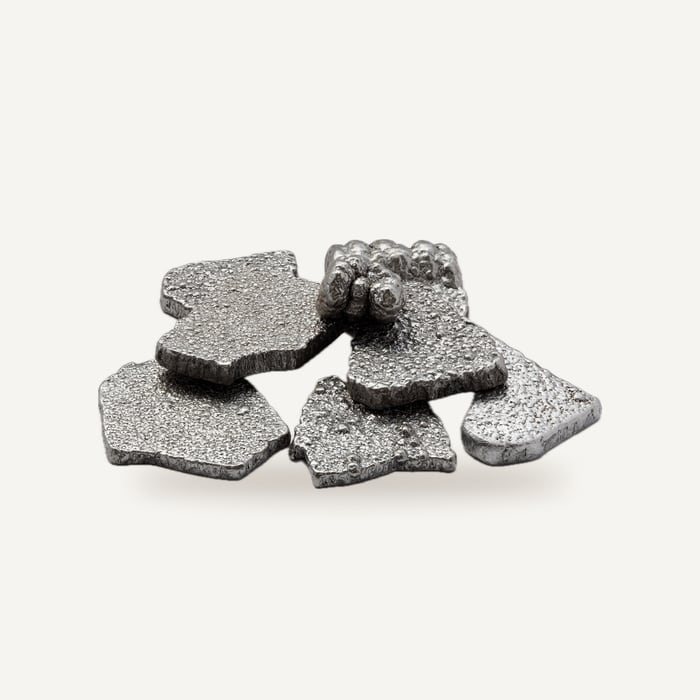
Fe26
Iron
Oxidises to earth red and rust.
Lavra · Reação
Electrolytic iron. Alchemist-hp, pse-mendelejew.de, FAL
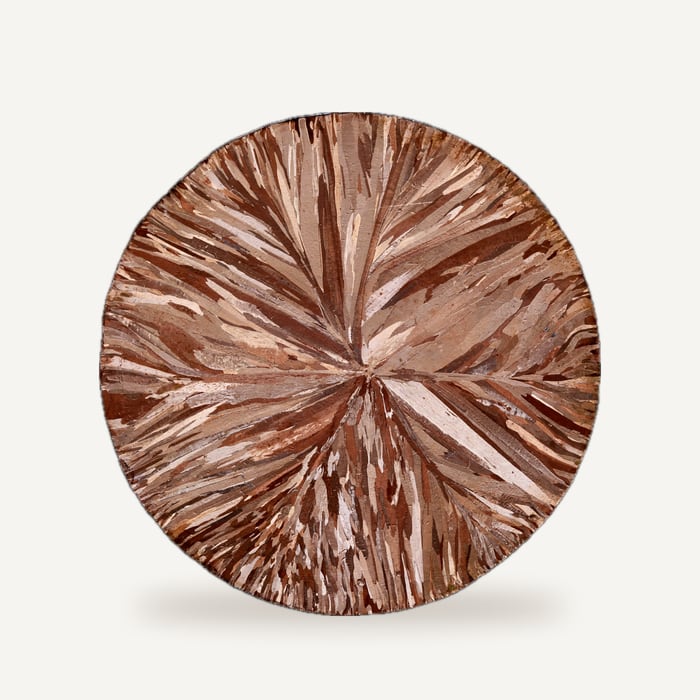
Cu29
Copper
Oxidises to verdigris, from green to blue.
Lavra · Reação
Copper disc, polished section. Alchemist-hp, pse-mendelejew.de, CC BY-SA 3.0 DE
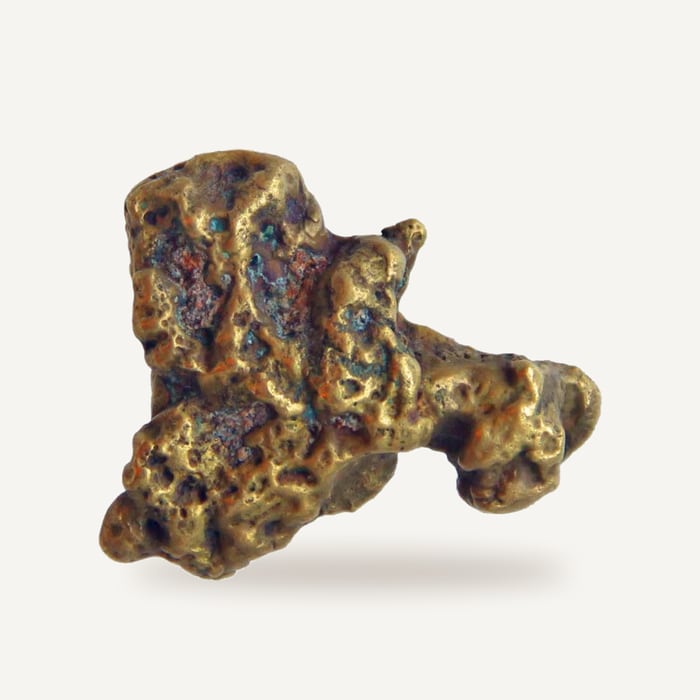
Cu Zn
Brass
An alloy of copper and zinc. Goes from yellow to brown.
Lavra · Brasa · Reação
Brass ingot. Danielle Wootton, Portable Antiquities Scheme, CC BY 2.0
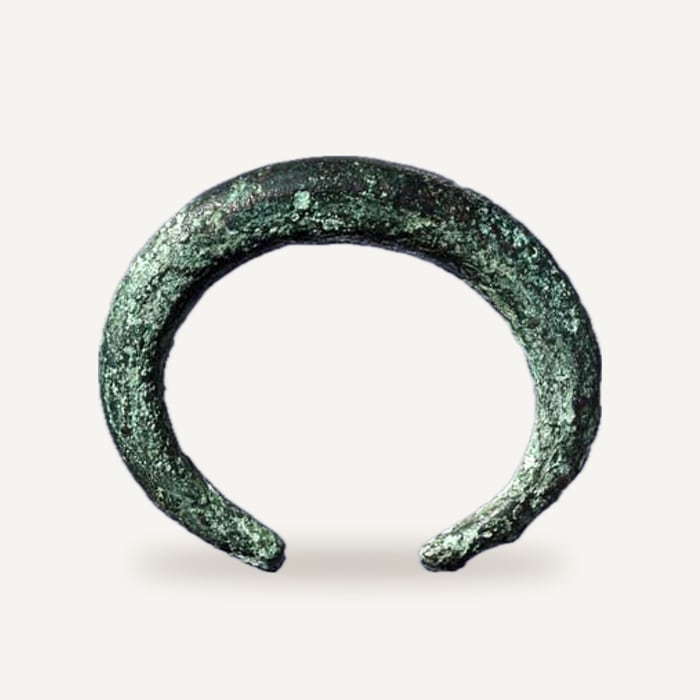
Cu Sn
Bronze
An alloy of copper and tin. Darkens to brown and green.
Brasa · Reação
Bronze ingot ring. The Swedish History Museum, Stockholm, CC BY 2.0
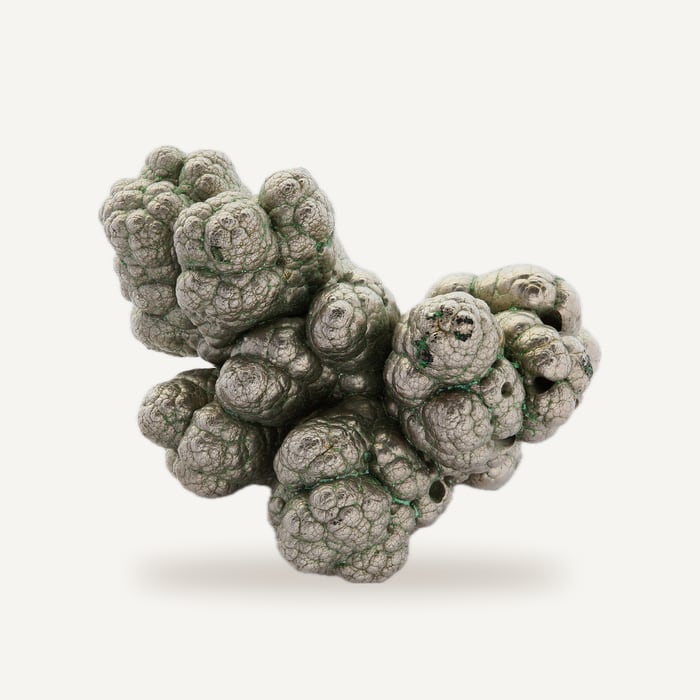
Ni28
Nickel
A pale metal. Enters the surfaces of Reação.
Reação
Electrolytic nickel. Alchemist-hp, pse-mendelejew.de, FAL
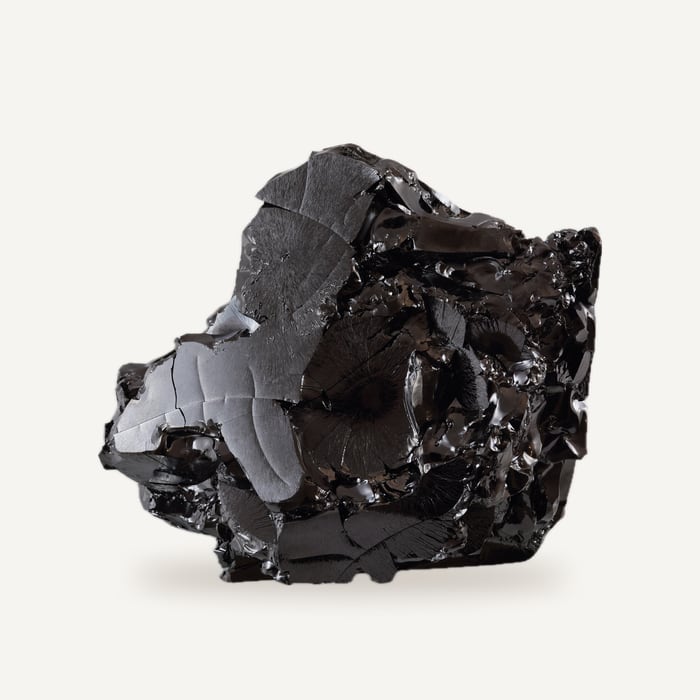
C6
Carbon
Carbon black, the dark ground under the metal.
Brasa
Glassy carbon. Alchemist-hp, pse-mendelejew.de, FAL


Support: wood panels, built in the workshop.
Process
Each panel is built and prepared in the workshop. The metals are laid in liquid form. The piece is then left to react with air, humidity, salt. Nothing is brushed. The process is learned by trial and error, what one panel does, the next will not. No reaction repeats. The same alloy, the same humidity and the same waiting time never return the same surface twice. That is what makes each panel singular.